When you launch a game on a top online casino platform like MrQ, you might notice how slick the graphics and animations are. Bright colors, immersive sound effects, and creative themes invite you in. But under that shiny exterior, is anything really different—do the random outcomes and game mechanics shift the odds, or is it just a new coat of paint?
This question taps into core ideas about uncertainty, decision-making, and how humans perceive chance. To unravel it, we’ll explore:
- How randomness and probability work in modern casino games The role of random number generators (RNGs) in ensuring fair play The difference between presentation and actual probability Why simple mechanics often prove surprisingly engaging How emotional and cognitive biases shape risk decisions
Understanding Randomness and Probability in Casino Games
The starting point is that every reputable casino game—whether from MrQ or a seasoned developer like NetEnt—relies on random number generators (RNGs). RNGs are software algorithms that produce sequences of numbers with no predictable pattern, effectively mimicking chance. This technology ensures that each spin, card draw, or dice roll is independent and random.
Put simply, random outcomes mean the odds of winning or losing a given bet are determined by probability, not by game design tricks. The probability is the mathematical likelihood of an event happening. For example, if a slot machine shows 3 symbols on a single spin and each symbol has an equal chance, the probability of a jackpot symbol aligning is calculable and fixed.
What the Harvard Business Review Says About Uncertainty and Engagement
According to research cited by the Harvard Business Review, uncertainty itself generates anticipation and emotional responses that enhance engagement. People enjoy games with an unpredictable element because they tap into psychological reward systems. The suspense that builds from not knowing the outcome—even when the odds remain constant—makes gameplay exciting.
This means that developers focus on creating a feeling of suspense and reward while maintaining a fixed underlying probability. So, the excitement you feel is often a function of presentation layering over consistent odds.
Presentation vs Probability: What Actually Changes?
Modern casino games typically preserve the core mechanics that determine payout odds, but invest heavily in presentation. This includes:
- Visual themes and animations (think: treasure hunts, fantasy quests, or cityscapes) Sound design and music that build tension and excitement Bonus rounds and mini-games that add variety Dynamic interfaces responsive to player behavior
These enhancements don’t alter the fundamental odds but make the experience far more immersive. For a concrete example, consider a classic slot game update by NetEnt. The base probabilities of hitting symbols on spinning reels remain the same, but new “wild” symbols, scatter bonuses, and free spins add layers to how players experience wins and losses.
In this sense, the game mechanics—how the game operates probabilistically—are stable and transparent thanks to RNGs, while the presentation draws in players and maintains emotional excitement.
Simple Mechanics Can Be Highly Engaging
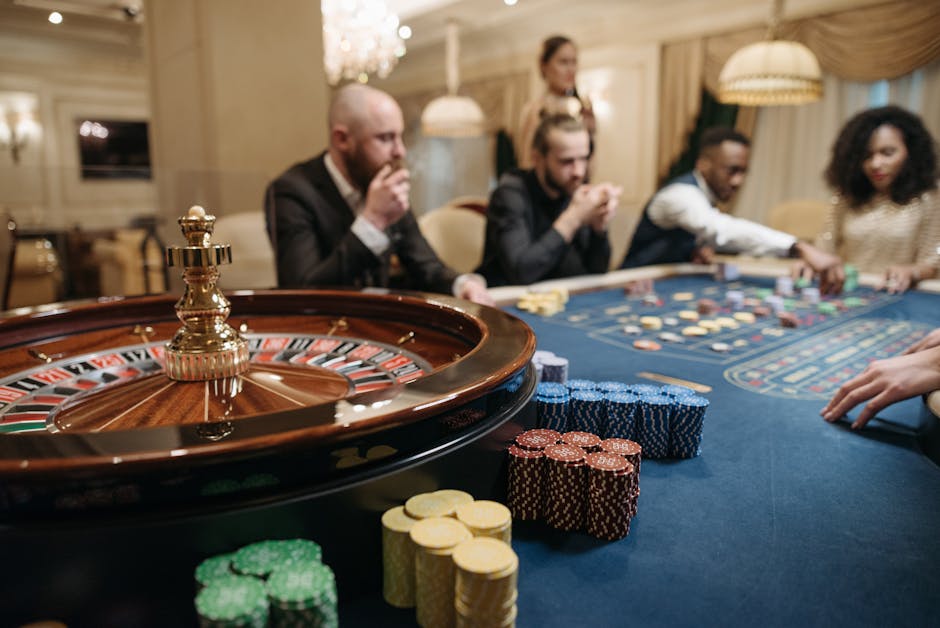
It’s tempting to think only complicated games are engaging. Yet many successful casino games thrive on simple rules that are easy to understand but hard to master. Examples include blackjack or roulette—both rooted in long-established probability models.
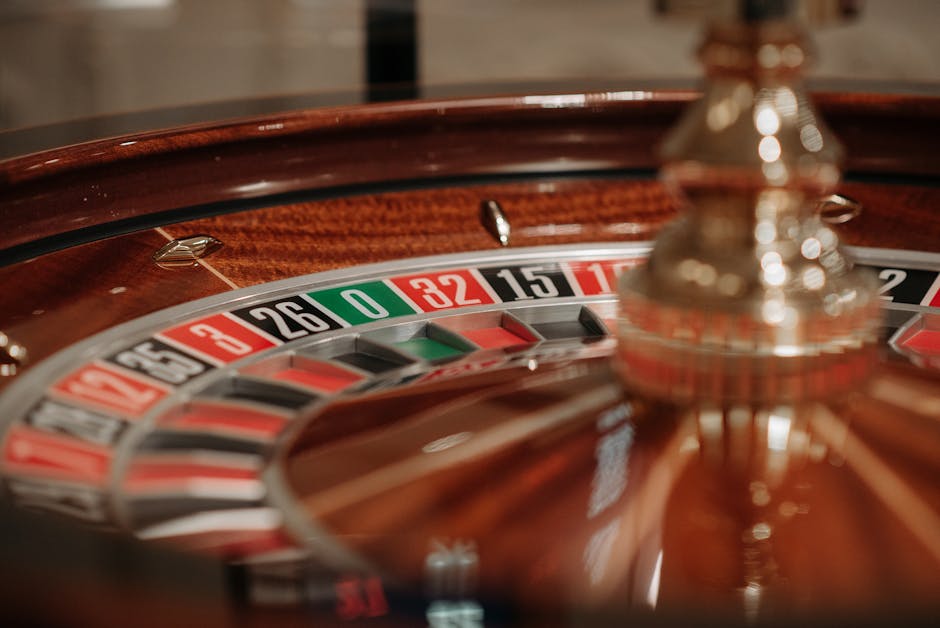
Simple mechanics are especially effective because they create clear feedback loops. When you know the rules, your mind processes winning or losing faster, amplifying emotional reactions. The clarity of simple games contrasts with their emotional complexity, such why people gamble for fun as deciding when to hold or hit in blackjack or where to place a bet on the roulette wheel.
Why Risk Decisions Are Emotional—not Purely Rational
Players often think of gambling outcomes as purely mathematical but behavioral science suggests otherwise. Decisions under uncertainty are deeply emotional and influenced by psychological mechanisms. Gambling taps into these impulses:
Anticipation: Hope and excitement build before the result is revealed. Loss aversion: The pain of losing money feels stronger than the pleasure of an equivalent gain. Near misses: Almost winning can motivate players to try again. Variable rewards: Unpredictable rewards shape motivation.This emotional experience is amplified by presentation. For instance, flashing lights and celebratory sounds mimic a real-world reward system firing in the brain. That’s why trust in the fairness of the RNG is crucial: the fun emerges not from actually knowing you will win but from the tension of uncertainty.
Cognitive Biases Shape How Probability Is Perceived
Even when odds don’t change, people often misperceive the probability of events. This happens because of cognitive biases—systematic patterns of deviation from rationality. A few key biases in gambling are:
- Gambler’s fallacy: Believing past outcomes influence future random events (e.g., "The slot hasn't paid out in a while, so it’s due"). Confirmation bias: Remembering wins more than losses, skewing perception of odds. Illusion of control: Feeling that one’s actions or choices can affect random results.
Presentation plays into these biases by highlighting wins with bright animations and downplaying losses. This selective feedback reinforces mistaken beliefs about how probability works, sometimes encouraging players to take risks they wouldn't otherwise.
Summary: Odds Stay Constant, Presentation Evolves
Aspect Effect on Game Example/Notes Game mechanics Core probabilities fixed by RNGs NetEnt and MrQ use certified RNGs to ensure fairness Presentation Enhances engagement via visuals and sound Bonus rounds, animations, immersive themes Player perception Emotion and cognitive biases shape risk decisions Anticipation boosts excitement despite unchanged odds Uncertainty Creates suspense and anticipation Helps explain why simple games remain compellingFinal Thoughts
Modern casino games do not fundamentally change the odds of winning; instead, they innovate through presentation and user experience. Licensed RNGs ensure that random outcomes remain true to intended probabilities, guarding fairness and transparency.
What really changes is how those odds feel. Developers leverage our emotional and cognitive wiring, creating layered presentations that turn straightforward probabilities into compelling, suspenseful journeys. Simple game mechanics coupled with rich aesthetics engage players in a dance of anticipation—a powerful cocktail that blends psychology, technology, and storytelling.
Whether you’re spinning a slot on MrQ or trying out the latest NetEnt drop, the games offer a consistent mathematical fairness wrapped in an inviting experience. Understanding this interplay can help players enjoy the thrill responsibly while appreciating the craft that goes into each digital spin and roll.
For more about how game mechanics meet design, check out our related post on “How NetEnt Shapes Player Engagement with Innovative Slots”.
```