If you have spent any time tracking the movements of European coaches over the last decade, you will know that the journey from the Estádio do Dragão to the Premier League is a well-trodden, if occasionally treacherous, path. It is a narrative we often dissect here at Football365; the allure of the Portuguese top flight, the tactical rigidity often instilled by Porto’s standards, and the culture shock that awaits when a manager steps into the high-octane pressure cooker of English football.
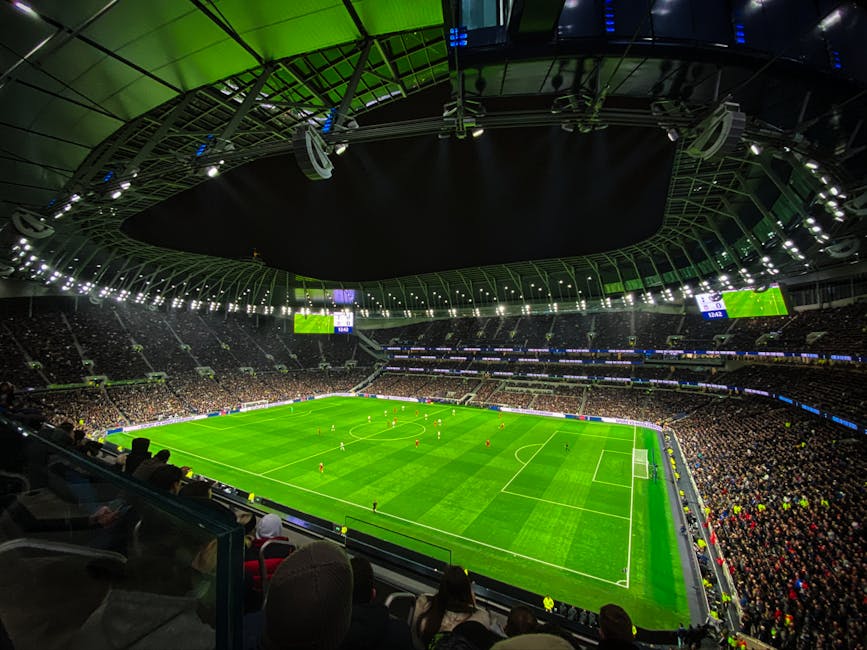
Currently, the rumor mill is spinning at full tilt regarding the Tottenham Hotspur managerial vacancy. Following the departure of Thomas Frank—whose tenure ended with a whimper rather than a bang—the North London club finds itself in a state of flux. With the team languishing in 16th place and currently enduring a painful winless run, the mood at the Tottenham Hotspur Stadium has turned toxic. The immediate trigger for this upheaval was the 2-1 home loss to Newcastle United, a result that exposed the structural frailties that have plagued the side since the start of the campaign.
The Porto Blueprint: Why They Look to Portugal
When a club like Spurs goes hunting for a replacement, they aren't just looking for a man with a clipboard; they are looking for a pedigree. Porto, as a training ground for elite coaching talent, offers exactly that. But what does actually moving a coach from Porto to the Premier League involve? It is rarely as simple as an interview and a handshake.
The complexity of these deals usually boils down to three main pillars: the release clause, the compensation fee, and the often-protracted contract talks. Unlike free agents, managers currently employed by Porto are treated like star assets. Porto’s hierarchy, particularly under the Spurs manager rumours today astute management of their front office, views coaching talent as a commodity to be protected via rigid contractual language.
The Financial Machinery of a Managerial Transfer
For those tracking these developments, it is essential to look at the broader league context. If you monitor the Premier League tables, you can see exactly why Spurs are panicking. Their current standing is a far cry from the European qualification spots they crave. To navigate this, the board has been looking at several candidates. Names like Francesco Farioli have been consistently linked in the PlanetSport network, yet the reports are clear: Farioli is reportedly not interested in a mid-season move, preferring to finish his project where he currently resides.
This leaves the door open for a Porto-based candidate. But what are the financial realities? Here is a breakdown of the moving parts involved in such a transition:
Mechanism Definition Impact on Move Release Clause The set price stipulated in the contract to buy out the manager. Sets the baseline negotiation figure; rarely ignored. Compensation Fee A negotiated sum beyond the clause, often covering staff. Used to expedite the transfer during a crisis. Contract Talks The agreement of personal terms (wages, transfer budget). The final hurdle before the official announcement.The Mid-Season Trap
The situation at Tottenham is a classic "mid-season trap." When a team is as low as 16th, the incoming manager is effectively an emergency room surgeon. They don't have the luxury of a pre-season to implement a tactical philosophy. They need to look at the fixtures and results pages and identify immediate points of failure. They need to use Football365 Live Scores to track their rivals and understand the margin for error they have before they are dragged into a genuine relegation scrap.
When you pull a manager out of Porto mid-season, you aren't just paying for the man; you are paying for the disruption to their ongoing league campaign. Porto will demand a premium for the chaos caused by losing their tactical lead in the middle of their own push for domestic honors.

What the Fans Need to Know
If you are a Spurs supporter checking the Premier League tables every hour, you might be tempted to believe that a new manager is a magic bullet. History tells us otherwise. The transition from the Primeira Liga to the Premier League involves significant adjustments:
Pace of Play: The physicality and speed of the Premier League are statistically higher than in the Portuguese top division. Depth of Competition: In Portugal, a manager might only worry about three or four big games a season. In the Premier League, every fixture is a potential banana skin. Squad Management: The size and ego-management required in North London far exceeds that of a typical Portuguese squad.
Why the "Porto Connection" Persists
Despite the risks, the appeal remains. The "Porto School" of management is synonymous with discipline and tactical versatility. Even after the 2-1 loss to Newcastle—a game where Tottenham looked tactically bereft—the board believes that a manager molded in the Porto environment can implement the necessary "dark arts" and structural organization to stabilize the ship.
Whether it is Farioli, a current Porto incumbent, or an outsider, the recruitment process will be a battle of attrition. The club is already deep into the fixtures cycle, meaning every day without a permanent successor is a point potentially lost. We are seeing a direct correlation between the drop in the standings and the increasing desperation of the board's pursuit.
Final Thoughts: The Cost of Ambition
Moving a coach from Porto to the Premier League is a high-stakes poker game. It is a dance between the release clause, the desire to win, and the harsh reality of the Premier League tables. As Football365 continues to track these developments, the narrative remains clear: Tottenham Hotspur needs more than just a new face on the touchline. They need a structural shift that aligns with the demands of modern English football.
For now, keep your eyes on the results pages and the latest gossip from the PlanetSport team. If the Porto link turns into a concrete appointment, expect it to be one of the most expensive and scrutinized moves of the season. The question remains: can the Porto pedigree survive the pressure of 16th place, or will the weight of expectation prove too much for the latest managerial savior?
Stay tuned. When it comes to managerial musical chairs, the music is currently playing, and the chairs are few and far between.