If you've ever found yourself jumping from one casino game to another in frustration after a losing streak, you're not alone. This behavior—called game hopping—can be a quick route to deeper losses and emotional tilt. In this deep-dive, we’re peeling back the layers on why game hopping happens, how to recognize it, and what to do instead.
We’ll pull examples from real online gambling platforms like MrQ, reference key regulatory insights from the UK Gambling Commission, and share practical advice from seasoned pros including insights from AllAxess Editors. Along the way, we'll touch on how tools like heads-up displays (HUDs) and tracking software can help keep your decisions sharp.
What Is Rapid-Fire Game Hopping?
Game hopping happens when a player quickly jumps between multiple games or formats—slots, blackjack, poker, bingo—after a losing session, often chasing wins or trying to "break even." You might have logged into MrQ’s bingo one minute, then switched to their slots, then tried poker tables within minutes.
It’s a classic tilt behavior. Like a poker player who shoves all-in without thinking, rapid game hopping is an emotional response—not a strategic one.
Why Do Players Game Hop?
- Frustration: Losing triggers a desire to immediately recover losses. Variety seeking: Thinking "a different game will turn my luck around." Overestimating control: Believing skill or luck can be shifted by changing games quickly. Ignoring Bankroll Management: Betting impulsively across formats without allocating risks properly.
Poker as a Decision Framework: What It Teaches Us About Game Hopping
Online poker grinders know this truth well: poker is less about luck and more about making repeated decisions within uncertainty. Each hand is a small decision puzzle embedded in a larger framework of bankroll and emotional control.
Rapid game hopping breaks that framework. Instead of consistent choices based on known skill edges, you blur your focus across formats with different allaxess skill-chance mixes.
Take this real-life example:
“Imagine you’re playing Texas Hold’em with a $100 bankroll. You use HUDs and tracking software to study opponents' tendencies. You manage your bet sizes and table selection based on your edge. After some losing sessions, instead of switching tables endlessly, you step back, analyze, and adjust strategy. That’s poker discipline.”Contrast this with hopping from a $0.10 slot game to a £1 blackjack hand to a bingo session on MrQ within minutes—each with wildly different odds and variance profiles. You lose grip on what you control.
Multi-Platform Online Gambling Ecosystems: A Double-Edged Sword
Platforms like MrQ today offer multi-product portfolios—bingo, slots, poker, and more—all under one login. It’s convenient, sure, but also a temptation hotspot for game hopping.
The UK Gambling Commission continuously highlights responsible gambling across multi-product/platform ecosystems. Their data show players who hop aggressively between formats often face higher risks of harm and loss.
Why Multi-Platform Access Can Fuel Hopping
- Easy Switching: One click and you’re on another game. Different Volatility Profiles: Slots might have high variance, poker edge depends on skill, bingo has community/social elements. Confusing Skill vs Chance: Players misclassify game types—treating slots like they can be beaten with strategy.
Here’s a key point: each format demands a unique bankroll allocation and risk profile. Treating them all the same sets up problems.
Skill vs Chance Formats: Knowing Where Your Edge Is
Games come in two basic buckets:
Skill-Based Games: Poker variants, some blackjack formats with counting, sports betting. Pure Chance Games: Slots, bingo, most roulette variants.Understanding the difference guides bankroll allocation and session planning. For example, a poker player might allocate 70% of their bankroll to tables where they consistently hold a skill edge, and only 30% to chance-based games they enjoy casually.

Error? Jumping rapidly from one chance game to another—hoping for a hit. That’s chasing random outcomes without control.
How HUDs and Tracking Software Can Help
Using HUDs and tracking tools in poker isn’t about cheating; it’s about gathering data to refine decisions and reduce guesswork. It’s a tool-driven, decision-focused mindset.
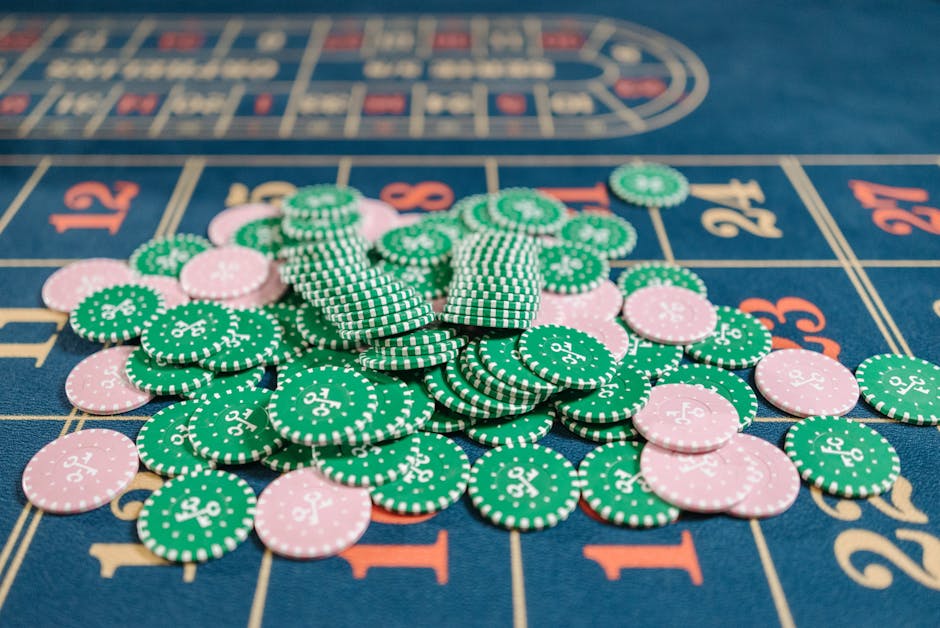
When applied across your gambling ecosystem, the same principle applies: track your wins, losses, and session types across all games—slots, bingo, poker.
AllAxess Editors recommend tools and journals for responsible gamblers to analyze patterns and identify tilt signals before they spiral.
Bankroll Allocation by Risk Profile: A Reality Check
Bankroll management isn’t just about how much money you bring to the game. It’s about segmenting your bankroll according to the risk profile of each game/format.
Game Type Skill Factor Typical Volatility Recommended Bankroll % Cash game poker High Medium 40-60% Tournament poker High High 20-30% Slots Low (pure chance) High 5-15% Bingo Low Medium-Low 5-10% Blackjack (basic strategy) Medium Medium 10-20%Stick to your allocations. Jumping from a low-variance poker format to high-variance slots can be dangerous if your bankroll isn't segmented effectively.
Break Strategies to Curb Tilt and Game Hopping
A big contributor to game hopping is emotional tilt—letting frustration dictate your next move.
Three practical break strategies:
Scheduled Breaks: Set alarms or timers every 60-90 minutes. Step away from the screen, stretch, breathe. Pre-Session Goals: Define what you want to achieve before you start playing. Once you hit loss or time limits, stop. Switch to Skill-Only Sessions: When stuck, hop to a format where skill plays a bigger role (like poker with HUDs). That shifts focus from chasing random wins to making calculated plays.AllAxess Editors often coach players to journal each session noting tilt triggers, win/loss outcomes, and emotional states. This self-awareness is crucial.
What You Can Control — And What You Cannot
Here’s the bottom line:
- You can control: Your game selection, session length, bankroll allocation, decision quality, and break routines. You cannot control: The randomness of slots, the luck of cards dealt, or instant wins.
Rapid-fire game hopping is an attempt to control the uncontrollable. The better move is to control yourself, your decisions, and your environment.
Final Thoughts
Game hopping when stuck is a classic trap. It’s a tilt behavior that blooms in today’s all-in-one platforms like MrQ, where switching games is seamless. Whether you’re a casual player or a pro grinder, remember:
- Understand the skill vs chance makeup of each format. Allocate your bankroll by risk profile, not whims. Use data-driven tools like HUDs and tracking software to inform decisions. Adopt break strategies to manage tilt and impulsive switching. Focus on controlling your behavior—not controlling chance outcomes.
By applying poker’s disciplined decision framework to your entire online gambling ecosystem, you’ll trade chaotic game hopping for steady progress and better results.
Stay sharp, play smart, and keep tilt in check. The game is always best when it’s about decisions, not reactions.
```